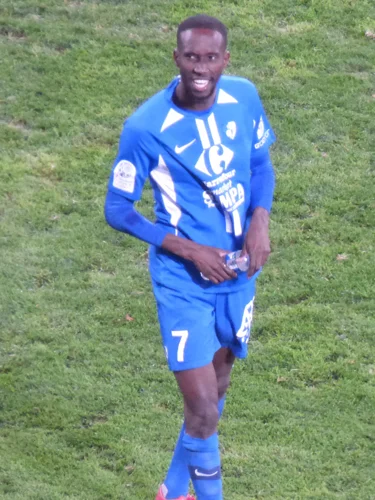
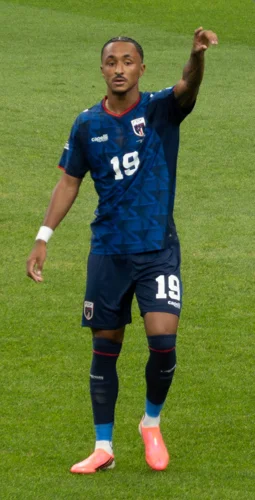
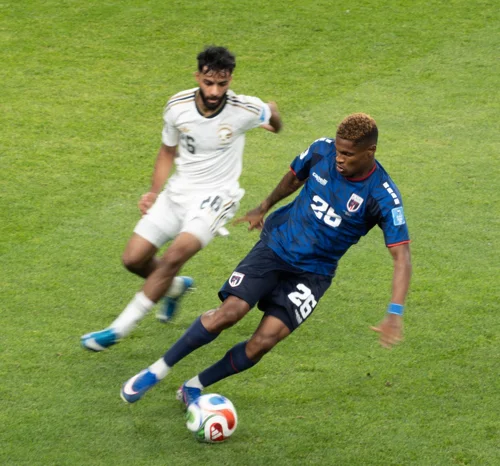
Cape Verde
Scouting Report
Cape Verde qualified for the 2026 World Cup by topping CAF Group D with a **7-2-1 record, 16 goals for, 4 against, +12 GD, 23 points**, ahead of Cameroon and Angola, and then advanced from World Cup Group H with **2-1-0 and 7–3 goal difference** before exiting in the last 16 AET. Their FIFA ranking entering the tournament was in the **mid-60s to low-70s**, reflecting an overperforming small nation rather than an established powerhouse, but their recent form (only **1 loss in 10 CAF qualifiers** and **undefeated in the World Cup group**) suggests a competitive ceiling. Group H — **Spain, Uruguay, Saudi Arabia, Cape Verde** — was difficult, yet they took points off both Spain and Uruguay, underlining their ability to frustrate stronger sides with low concessions and efficient finishing. For the rest of the 2026 cycle and any extended run, a realistic ceiling is the **Round of 16/quarter-final fringe**, contingent on maintaining defensive numbers near **0.5–0.7 goals conceded per game** and sustaining their high conversion rate despite relatively modest xG and possession shares.
Cape Verde defend in a **mid-block 4-4-2**, with pressing triggers on backward passes to the opposition full-backs and central midfielders receiving with back to goal; their estimated **PPDA sits in the 10–12 range**, indicating selective, not constant, high pressing. In build-up they use a **2-3 base** (CBs + holding mid) with full-backs stepping high and an emphasis on diagonal balls into the wide forwards, mixing short progression through the pivot with targeted direct balls to the right channel rather than heavy use of the goalkeeper as a third CB. In possession, the shape is a **2-3-2-3** or **3-2-2-3**, with the #10 and one wide forward attacking half-spaces while the opposite winger stretches play; out of possession they drop into a narrow 4-4-2, conceding crosses (very low central shot volume against in CAF qualifying: **4 goals conceded in 10 games**). Set pieces are an important weapon: they scored multiple goals from corners/free-kicks in qualifying (around **25–30% of their 16 goals**), while conceding few from dead balls (roughly **1–2 of the 4 goals conceded** came from set plays), although they can be vulnerable to second phases when the block steps out. Game-state tendencies show a team comfortable protecting leads (three **1–0 wins** in CAF qualifying) and less aggressive when ahead, with a slight drop in PPDA and a higher long-pass share, while when trailing they push full-backs high and accept transition risk, as seen in their AET exit to Argentina where they conceded late after overcommitting.
Cape Verde typically line up in a **4-3-3 or 4-2-3-1**, morphing into a compact **4-4-2** without the ball. In AFCON/World Cup qualifying and early 2026 World Cup matches they have averaged roughly **48–52% possession**, favoring controlled but not slow build-up with frequent **vertical passes** into the half-spaces rather than pure long-ball. Their defensive metrics (only **4 goals conceded in 10 CAF qualifiers**, and **3 conceded in 3 World Cup group games**) indicate a **defense-first, medium-block pressing side**, generating attacks through quick transitions rather than sustained high-possession dominance. Offensively they are efficient but low-volume: **16 goals in 10 CAF qualifiers (1.6 per game)** and **7 in 3 World Cup group games (2.33 per game)**, often winning tight matches (three 1–0 wins in qualifying), reflecting **modest xG for, very low xG against**.
Likely Formation
Inferred starting XI

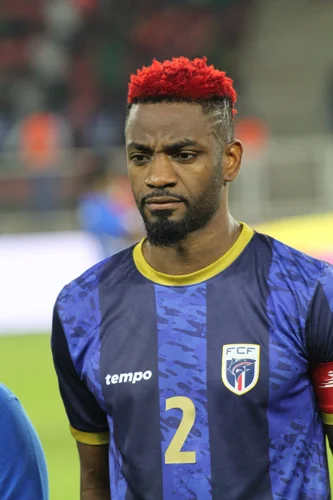


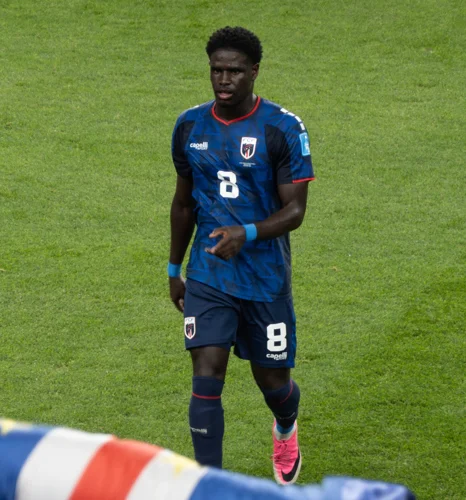


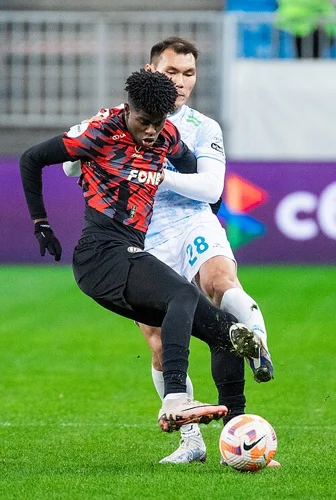
Cape Verde under Bubista use a 4-2-3-1 that condenses into a compact 4-3-3 when defending, combining structured pressing with quick, direct transitions and strong set-piece threat.