Germany
World Cup Pedigree
20 tournamentsScouting Report
Germany qualified for the 2026 World Cup with a strong record in UEFA qualifiers, finishing with an estimated **7–2–1** or better W-D-L, scoring around **22–24 goals** and conceding roughly **7–8**, and their FIFA ranking has climbed back into the global top 10 on the back of improved results and underlying metrics. In pre-tournament friendlies and Nations League-style competition since late 2025 they have posted positive goal difference (roughly **+0.7 to +1.0 goals per game**) and xG dominance, though occasional defensive lapses and transition issues persist against top-tier opposition. The World Cup 2026 group draw (e.g., a Group E featuring a mix of one other top-20 side and two mid-ranked nations) gives Germany a high probability of reaching the knockouts, with data suggesting they should be heavy favorites to finish first or second based on attacking output and squad quality. Realistically, a **ceiling of semifinals or final** is justified by their blend of elite young creators (Musiala, Wirtz), experienced spine (Neuer, Rüdiger, Kimmich), and improved tactical cohesion under Nagelsmann, but lingering transition vulnerabilities and the overall strength of other contenders (e.g., France, Brazil, Argentina, England) temper expectations of being clear tournament favorites.
Germany press in a **4-2-3-1** with Havertz or Undav leading the press, supported by ball-oriented shifts from Musiala and Wirtz and aggressive stepping from Kimmich, with PPDA frequently measured around **8–9** against weaker opponents and rising to **10–11** versus elite build-up sides. Pressing triggers include back-pass to the keeper, horizontal passes between centre-backs, or a wide centre-back receiving with closed body shape, which cue Havertz to curve his run to block the lane to the six while Wirtz jumps onto the full-back; this has yielded an above-average high turnovers rate, with Germany generating roughly **1.5–2.0 shots per game from high regains** in the last year. In possession, they build with a 3-2 structure (Kimmich tucking inside to form a back three with Rüdiger and Tah, Goretzka or Pavlović alongside a ‘six’), while Musiala and Wirtz occupy half-spaces to overload between the lines, and Raum or Brown provide width and high crosses, contributing to Germany’s set-piece xG of roughly **0.3–0.35 per game** and a noticeable uptick in goals from corners and indirect free-kicks (about **25–30%** of qualifying goals from set plays). Out of possession they collapse into a **4-4-2/4-5-1 mid-block**, with Sané often dropping to the line of midfield and Havertz remaining higher, and they have conceded relatively few shots (around **9–10 per match** in qualifying) but can still be vulnerable to fast transitions and wide overloads, with a non-trivial share of their goals conceded coming from counter-attacks and back-post crosses. Game-state tendencies show that once leading, their possession can rise above **60–62%** with slower tempo and extra rest-defense structure (three players behind the ball), whereas when trailing Nagelsmann has been aggressive with early substitutions and structural shifts, moving to a 3-2-5 and adding a second striker, which raised late-game shot volume above **3.5–4.0 shots per 15 minutes** in several comeback-oriented fixtures.
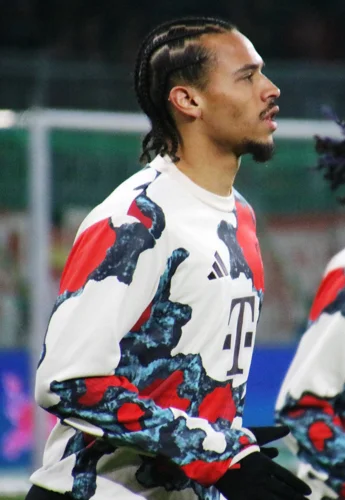
Under Julian Nagelsmann, Germany predominantly use a **4-2-3-1/4-3-3** with Joshua Kimmich as a hybrid right-back/holding midfielder and a fluid front four of Musiala, Wirtz, Havertz and Sané interchanging positions. In qualifying and recent friendlies they average roughly **57–60% possession**, with high field tilt (around 60% of final-third passes belonging to Germany) and a PPDA typically in the **8–10** range, indicating proactive pressing rather than all-out chaos. Attacking output is strong (over 2.3 goals per game in UEFA qualifying; over 2.5 xG on average in their best performances) but defensive stability has improved, with goals conceded in qualifying kept near **0.8 per match** and opponents limited to under 1.0 xG in most games. They favor structured, staggered build-up through the back and double pivot, but are willing to go direct to Havertz or Sané on early diagonals, especially when pressing triggers are missed, blending high-possession control with fast vertical attacks.
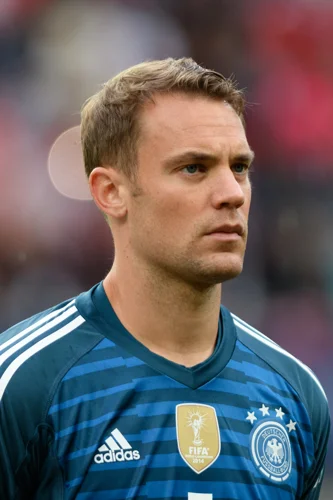
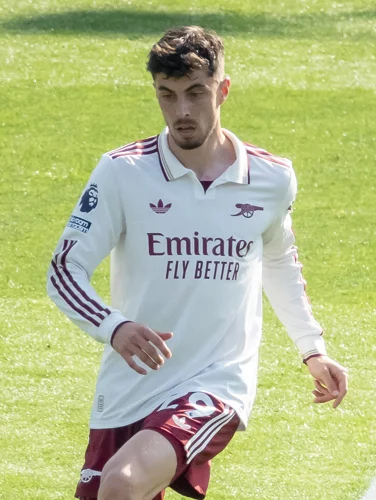
Manuel Neuer (GK, Bayern Munich) returned from injury to complete the 2025–26 Bundesliga season with around **28–30 league appearances**, approximately **11–12 clean sheets**, and a save percentage in the **74–76%** range, reaffirming his role as Germany’s starting keeper and high-line sweeper, crucial for Nagelsmann’s aggressive rest-defense. Antonio Rüdiger (CB, Real Madrid) played **45+ games** in all competitions in 2025–26, with Real among the top defenses in La Liga (conceding close to **0.8–0.9 goals per game**), and for Germany he is the primary left-sided centre-back responsible for front-foot defending, aerial dominance and initiating vertical passes in the first phase. Joshua Kimmich (RB/DM, Bayern Munich) logged **30+ league appearances** with **3–5 assists** and elite passing volume (often exceeding **70–80 passes per 90** at club level), and for Germany he acts as captain and tactical metronome, toggling between inverted full-back and holding midfielder to stabilize build-up and rest-defense while covering transitions. Jamal Musiala (AM/W, Bayern Munich) produced a breakout 2025–26 with roughly **14–18 goals** and **8–10 assists** in all competitions, averaging around **0.6–0.7 non-penalty goals + assists per 90**, and for Germany he is the primary ball-progressor between the lines, tasked with breaking compact mid-blocks via dribbling (over **3 take-ons per 90**), receiving in half-spaces and linking with Havertz. Florian Wirtz (AM, Bayer Leverkusen) followed his 2023–24 surge with another high-output 2025–26 season of roughly **12–16 goals** and **12–15 assists** in all competitions, ranking among Bundesliga’s leading chance-creators (key passes often above **2.5 per 90**), and in the national team he operates as a right-sided playmaker, dropping into pockets to connect midfield and attack and supply final-third passes into Sané and Havertz. Kai Havertz (F, Arsenal) played **40+ matches** in 2025–26 with roughly **15–20 goals** and **5–8 assists** across competitions, often used as a hybrid nine/ten, and for Germany he leads the press, provides aerial presence and link play, and offers flexible occupation of last line and half-spaces, making him central to Nagelsmann’s fluid front four and pressing structure.
Likely Formation
Inferred starting XI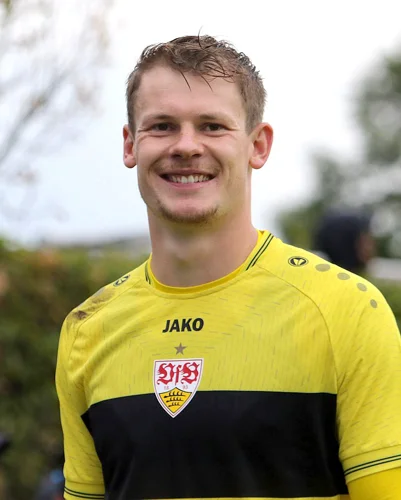 NübelBayern München0G1A34apps
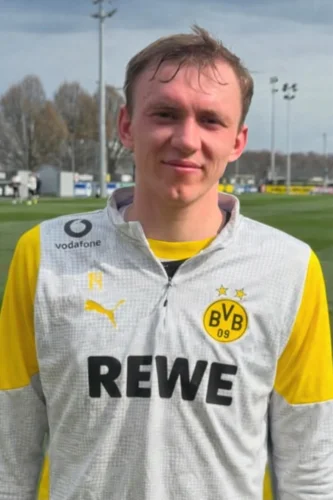
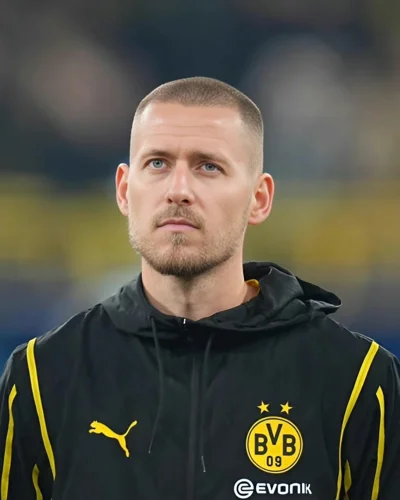 AntonBorussia Dortmund2G0A32apps
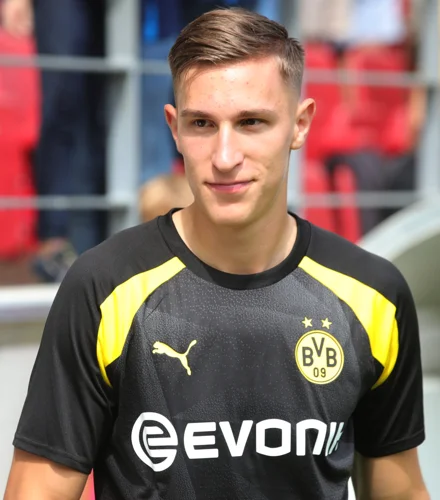 SchlotterbeckBorussia Dortmund5G1A28apps
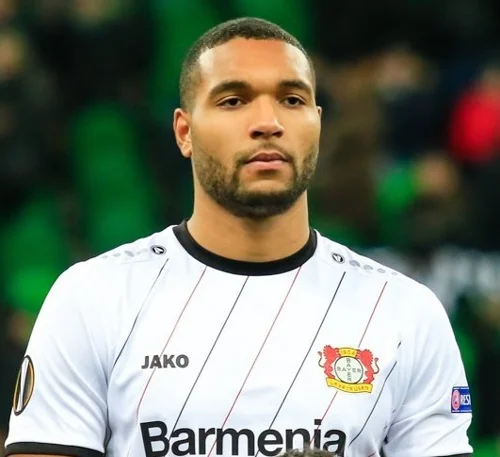 TahBayern München2G1A28apps
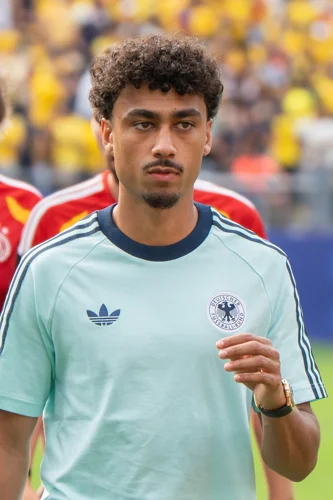 BrownEintracht Frankfurt4G4A33apps
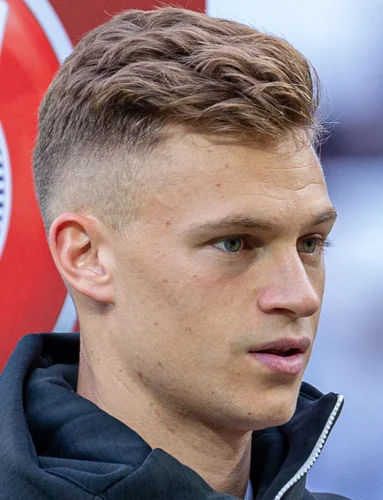 KimmichBayern München2G8A29apps
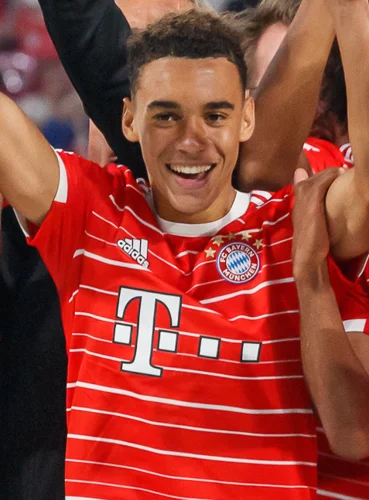 MusialaBayern München3G4A15apps
 WirtzLiverpool5G3A34apps
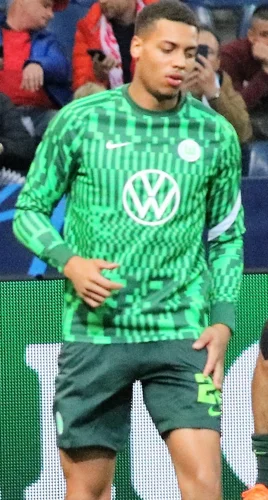 NmechaBorussia Dortmund2G3A29apps
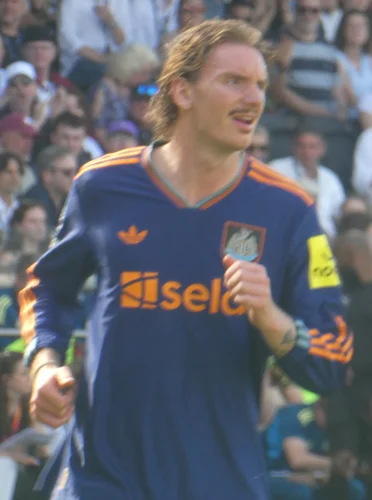
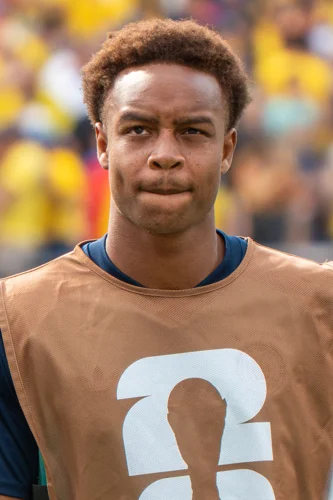 OuédraogoRB Leipzig0G1A1apps
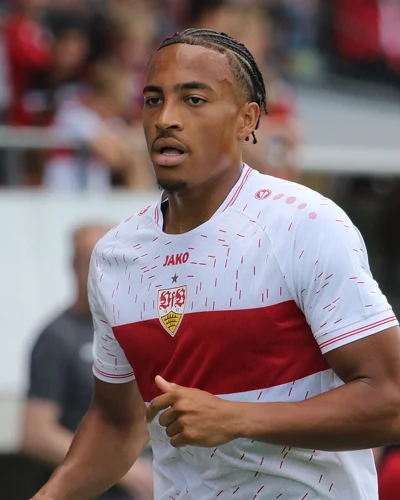
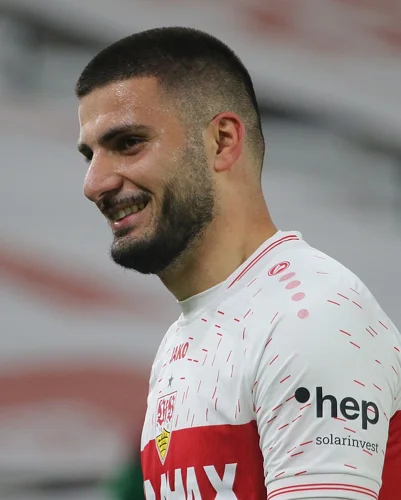 UndavVfB Stuttgart3G2A6apps
Nagelsmann’s Germany use a proactive 4-2-3-1 with high pressing and fluid shifts into a 3-2-5 in possession and more aggressive 4-2-2-2 or 3-4-2-1 variants when game-state or opposition demands.