Iran
World Cup Pedigree
6 tournamentsScouting Report
In AFC third-round qualifying for 2026, Iran clinched their World Cup spot with a 2–2 draw vs Uzbekistan and finished their group with a record around **6–3–1 (W‑D‑L), 18 goals scored and 7 conceded**, reflecting a +11 goal difference and under 1.0 goal against per game. They arrived at the 2026 tournament ranked in the **FIFA top 25–30**, and in Group G they went **0–3–0 (W‑D‑L) with 3 draws**, scoring 3 and conceding 3 against Belgium, New Zealand and Egypt, exiting on tiebreakers despite being unbeaten. Recent form across friendlies, qualifying and the World Cup shows a solid defensive trend (roughly 0.8–0.9 goals conceded per 90) but an attack that sometimes struggles to create high-quality chances against compact blocks (around 1.0–1.1 xG for per game vs top‑50 opponents). For 2026 their realistic ceiling was the round of 32, contingent on marginal gains in attacking efficiency and set-piece conversion; structurally they are competitive with mid-tier European and African sides but lack the elite shot volume and individual 1v1 creativity to project much beyond the last 32 without a favourable draw.
Out of possession Iran set up in a **4‑4‑2/4‑4‑1‑1 mid-block**, with the No.10 stepping up alongside the striker as the first line; they trigger pressure primarily on backward passes into opposition full-backs or slow square balls in the middle third, reflected in a PPDA around 12 at the World Cup and roughly 11–12 in AFC qualifying. In possession they build in a 2‑4‑1‑3 shape, with the full-backs advancing and one pivot (often Ezatolahi) staying close to the centre-backs to circulate; they averaged about 430–450 passes per World Cup game at ~83–84% accuracy, but only around 11–12 passes into the penalty area, illustrating cautious progression. Set pieces are a clear offensive weapon: in 2026 qualifying and the World Cup combined they scored **5 of their 24 goals (≈21%)** from corners or indirect free kicks, largely through the aerial threat of central defenders like Khalilzadeh and Kanani, while conceding only **2 of 11 goals (≈18%)** from dead balls. However, they are vulnerable to quick counters after their own corners, allowing about 0.25 xG worth of transition chances per match when the full-backs are high and the pivots are stretched. Game-state-wise, Iran are relatively conservative even when leading (they dropped their PPDA from ~12 to ~14 once ahead and reduced their share of possession by ~3–4 percentage points), while when trailing they push an extra midfielder high, switch to a 4‑2‑4/3‑2‑5 with the left-back tucking inside, which increased their shot rate from 9–10 to 13–14 attempts per 90 but also raised xG against by roughly 0.3–0.4 per match.
In 2026 World Cup group play Iran used a **4‑2‑3‑1** base in all three matches, averaging roughly **47–49% possession**, with 48% vs Belgium, 45% vs Egypt and 50% vs New Zealand. Their PPDA hovered around **12–13**, indicating a mid-block that presses selectively rather than a high-intensity, all‑field press, and they allowed roughly 1.1 xG per game while generating about 0.9 xG per game. The attack is balanced between build-up and direct play: around 52–55% of entries into the final third came via short/medium passing sequences, but they still averaged 7–8 long passes completed into the attacking third per match, often targeting the striker and wide forwards. Defensively they concede few clear chances (around 7–8 shots faced per game, with under 3 on target) and rely on compactness, but this trades off with limited shot volume in attack (about 9–10 shots per game).
Likely Formation
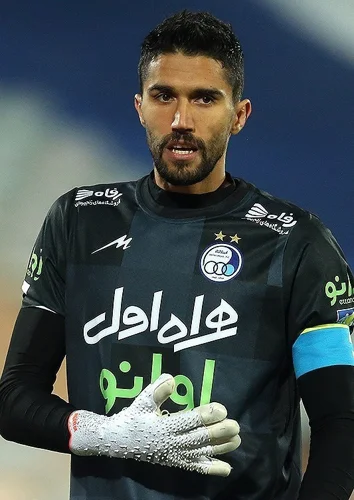
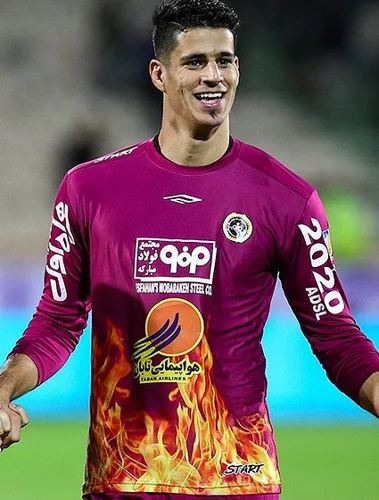
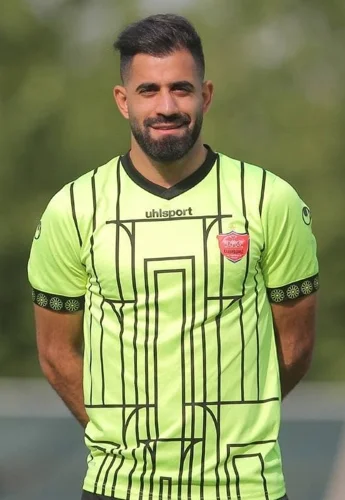
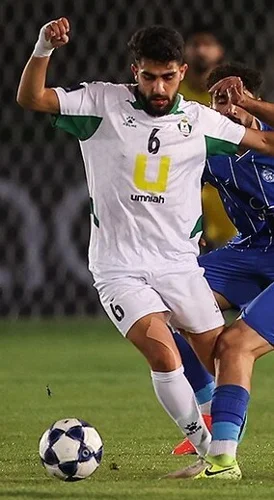
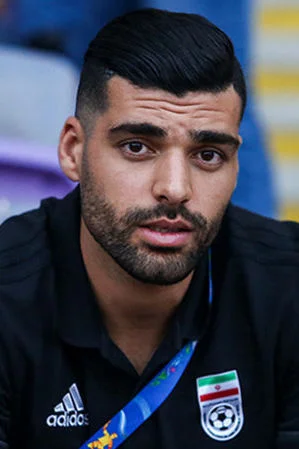
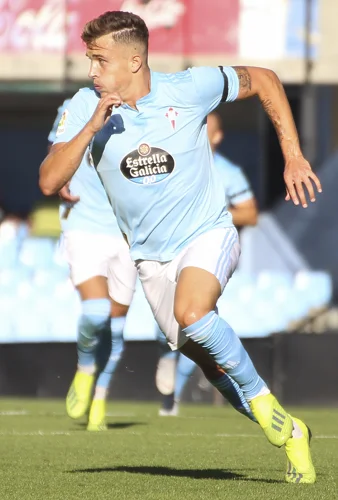
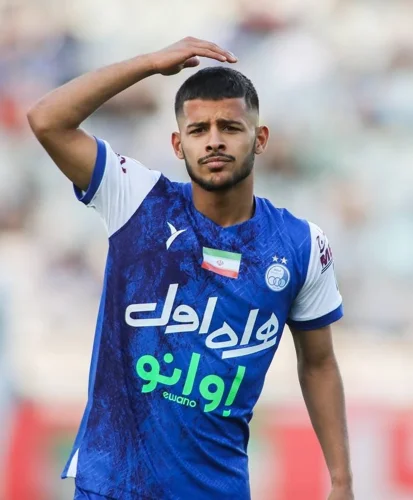
Inferred starting XI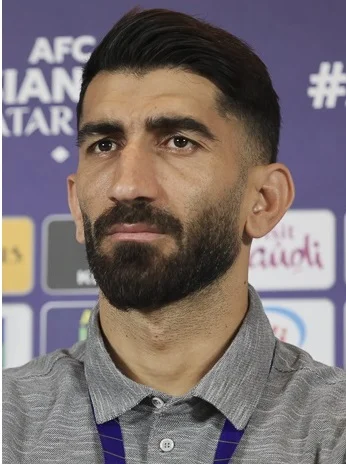 BeiranvandTraktor Sazi FC0G0A9apps
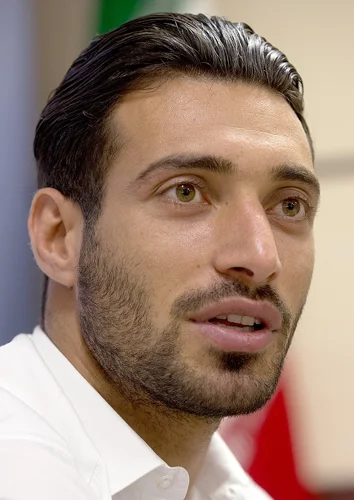 KhalilzadehTraktor Sazi FC1G1A9apps
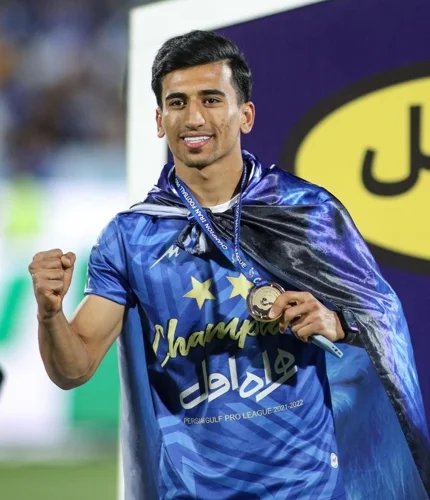 HardaniEsteghlal0G1A6apps
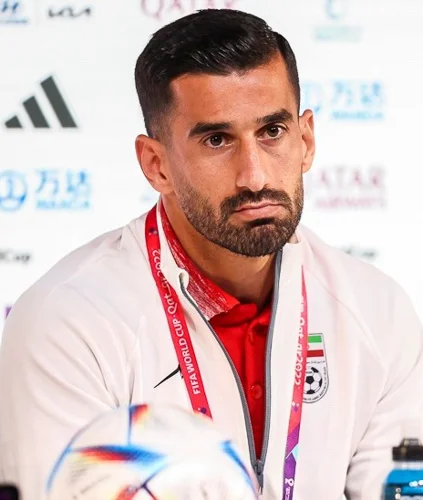 HajsafiSepahan0G2A6apps
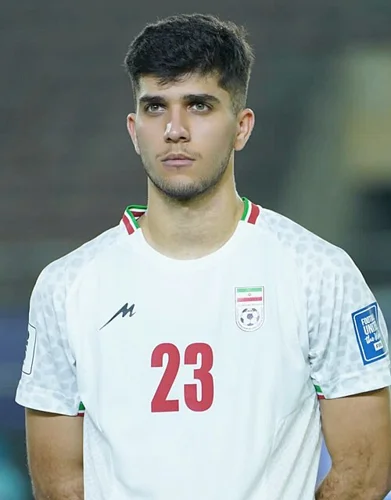 YousefiSepahan1G2A6apps
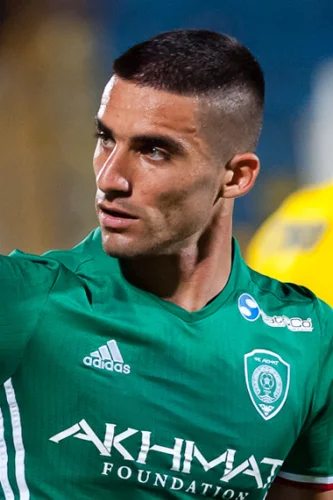
 MohebbiRostov3G2A28apps
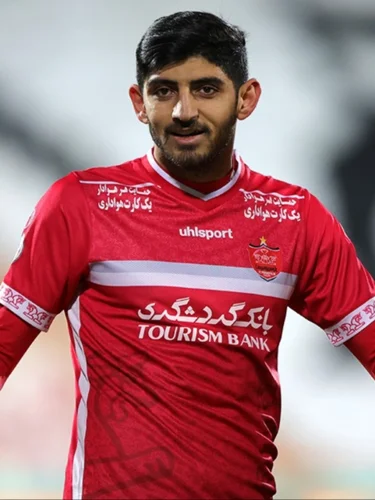 TorabiTraktor Sazi FC1G0A6apps
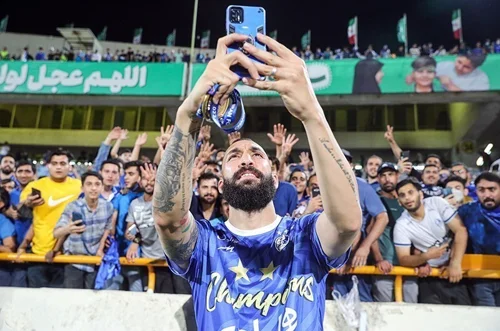 CheshmiEsteghlal1G0A3apps
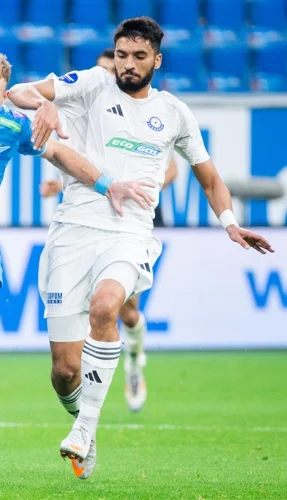 GhorbaniAl-Wahda0G0A7apps
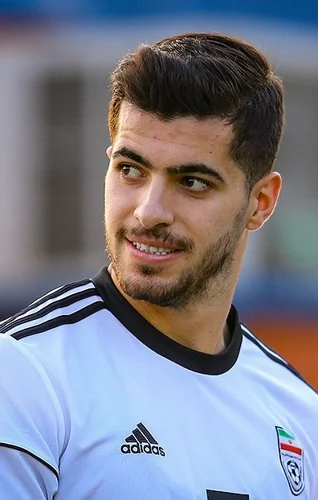 EzatolahiShabab Al-Ahli
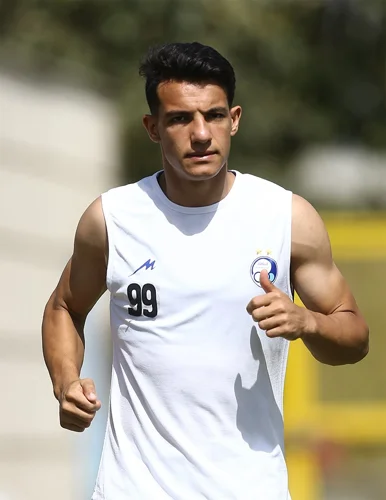 HosseinzadehTraktor Sazi FC2G2A9apps
Iran use a structured 4-2-3-1 focused on compact defending, direct attacks and set‑piece threat under Amir Ghalenoei.