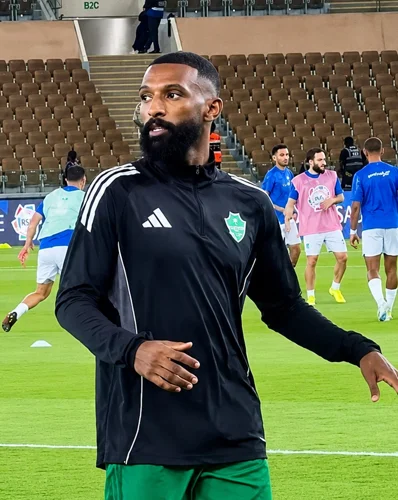
Saudi Arabia
World Cup Pedigree
6 tournamentsScouting Report
Saudi Arabia’s 2026 outlook is shaped by a difficult group and an uneven qualifying profile; the provided World Cup standings snapshot shows them **0-2-1** in Group H, while another tournament stat line lists **6 matches, 4-1-1, 12 goals for, 3 against**, so the public data in the sources is contradictory and should be treated cautiously. Their current FIFA ranking is **61st** and recent form is modest, with **1 win in their last 5** and a **4-5** goals split over that span. They are not built to dominate possession against elite opposition, so the realistic ceiling is a **competitive group-stage spoiler** rather than a knockout run, with qualification from the group requiring set-piece efficiency, low-event matches, and a sharp conversion rate.
Under **Hervé Renard**, Saudi Arabia generally defend in a **tight 4-2-3-1 / 4-3-3** shell, pressing selectively instead of living in a constant high press. Their best pressing moments usually come from opponent touches into wide zones, loose back passes, and forced carries toward the sideline, where they can trap and counter. In possession they tend to build through the fullbacks and the double pivot but remain **direct when space is available**, prioritizing early forward progression over long circulation. Set pieces matter because a relatively lower-possession side needs dead-ball output; the sources show **Abdulelah Al-Amri** leading their 2026 group scoring with **1 goal**, while **Saudi Abdulhamid** led passes with **113** and **Musab Al-Juwayr** led crosses with **7**, which points to a right-side delivery/overload route.
Saudi Arabia are usually a **compact, mid-block team** rather than a high-possession side, with recent World Cup group data showing a **defensive, low-margin profile**: in 2026 group play they scored **3** and conceded **12** across **6 matches**, with **4 wins, 1 draw, 1 loss** in the cited FBref tournament line but also a separate FIFA/Fox snapshot indicating a much poorer **0-2-1** group-stage standing, so the tournament-record data in the sources is internally inconsistent. Their modern identity is still built around structure, fullback width, and quick vertical attacks rather than sustained territorial control. The team’s recent results suggest low scoring volume and high defensive volatility, with a recent run of **4 goals scored and 5 conceded in 5 matches**.
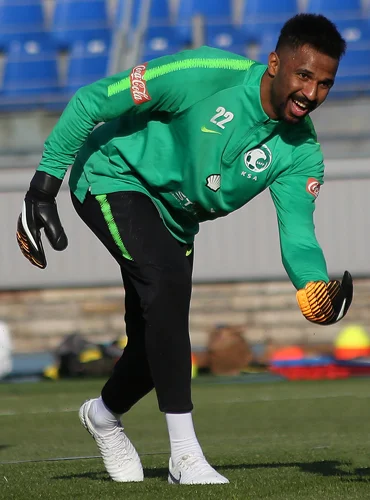
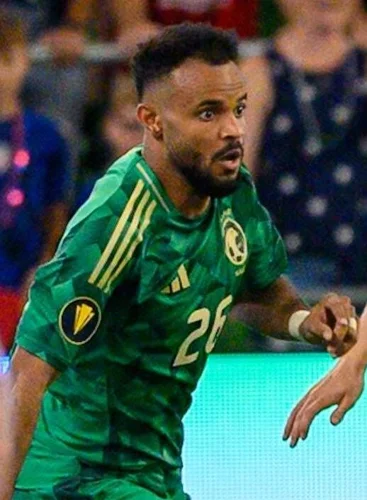
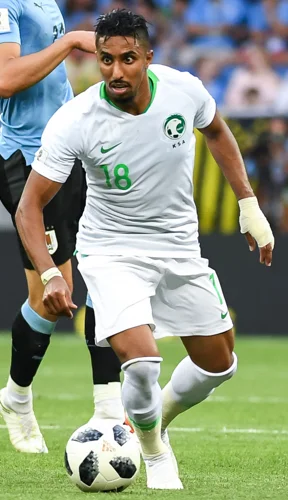
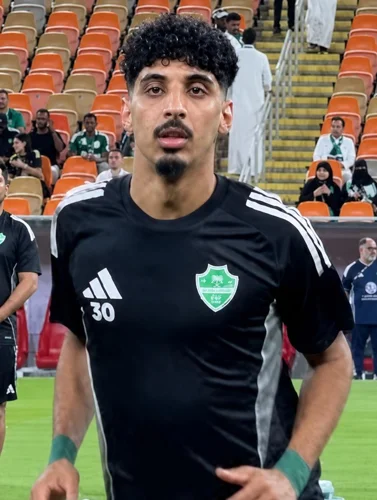
**Saleh Al-Shehri** is the main box striker in the squad data, and FBref lists him with **4 goals** in the 2026 World Cup sample, making him the clearest penalty-box finisher and target for early service. **Mohammed Al-Owais** is the veteran goalkeeper reference point; his role is to organize a deeper block and absorb pressure in a side that has been concede-prone in recent results. **Saudi Abdulhamid** is the key wide circulation player, with **113 passes** in the cited FIFA group stats and a likely fullback/wingback outlet for progression and recovery runs. **Musab Al-Juwayr** adds width and chance creation, with **7 crosses** in the FIFA stats and a role as a delivery threat from advanced wide zones. **Abdulelah Al-Amri** is a useful set-piece defender who also contributes offensively, with **1 goal** in the 2026 group sample.
Likely Formation
Inferred starting XI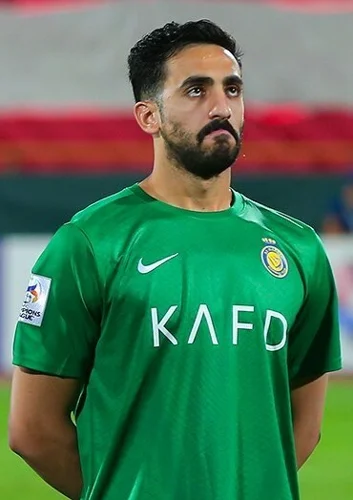

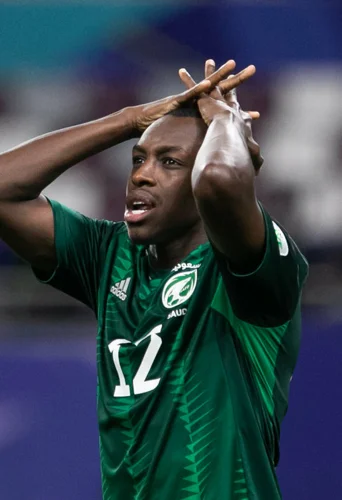





Under Donis, Saudi Arabia use a primary 4-4-2 with pacey wide transitions, shifting to 4-2-3-1 in possession and 3-5-2 for extra defensive stability when protecting a lead.