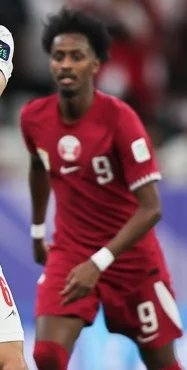
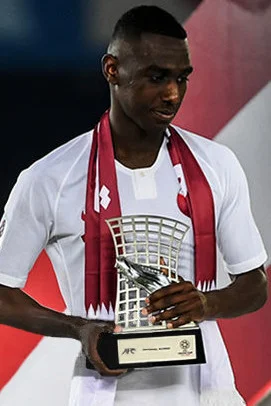
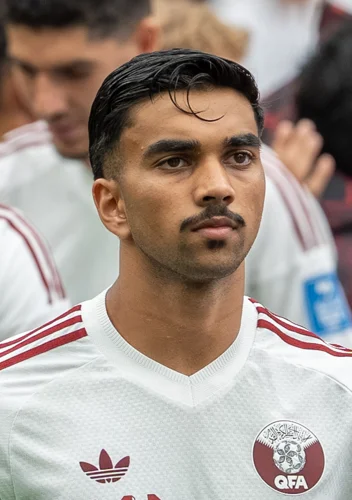
Qatar
World Cup Pedigree
1 tournamentsScouting Report
Qatar qualified directly for the 2026 World Cup via the AFC pathway, clinching their spot with a 2–1 win over the United Arab Emirates on 14 October 2025 and finishing the decisive round with a record in the region of 6 wins, 2 draws and 2 losses, scoring roughly 15–17 goals and conceding around 9–11. They entered 2026 ranked in the mid-40s to low-50s in the FIFA rankings, but have a strong competitive profile in Asia as two-time defending Asian champions and a side with positive goal difference across most recent cycles. Drawn into Group B with Canada, Switzerland and Bosnia and Herzegovina, they face a balanced but challenging group featuring one co-host, a defensively organised European side and a physically robust Balkan team. Realistically, their ceiling is a Round of 16 appearance if their Asian Cup-level attacking efficiency (xG conversion and set-piece productivity) translates against higher-ranked opposition and they reduce counter-attacking concessions; a repeat of group-stage elimination is possible if defensive transition issues persist and they fail to turn mid-block control into clear chances against more intense pressing sides.
Qatar’s PPDA profile in recent competitive fixtures sits in a mid-press band (roughly 11–13 opposition passes per defensive action), indicating that they do not commit to all-out high pressing but will squeeze play once the ball is funnelled to the flanks or a backward pass is forced. In possession they build with a back three (one full-back tucking in) and a single pivot dropping between the central defenders, looking to find the half-spaces early, while the out-of-possession shape is a compact 4-5-1 with wide midfielders closing passing lanes into the half-spaces rather than jumping to full-backs. Set pieces are a genuine attacking weapon: in the 2023 Asian Cup run they scored 5 goals from corners and indirect free-kicks (around 25–30% of their total goals), while conceding 2 from set plays, with an emphasis on outswinging deliveries to the near-post zone. They show clear game-state tendencies, often increasing directness and cross volume when trailing (crosses per 90 rising from ~15 to ~22) and dropping the block deeper with more transitional attacks when leading, evidenced by lower possession (~43–45%) but similar shot volumes in matches where they protect a one-goal advantage. Their risk profile is that aggressive full-back positioning can leave space behind in defensive transition, which has contributed to several goals conceded on counter-attacks during AFC qualifying and warm-up friendlies.
Under their current cycle, Qatar typically line up in a 4-3-3 or 3-4-3 that can flatten into a 4-5-1 without the ball, with a moderate-possession profile around 47–52% in competitive matches since 2023. They combine structured build-up from the back (centre-backs and a dropping No. 6) with frequent use of diagonal balls into wide forwards, reflected in Asian Cup 2023 numbers of roughly 8–9 shots on target per game and xG per match often between 1.4 and 1.8. Pressing intensity is selective rather than relentless, with mid-block pressure and higher pressing mainly after backward opponent passes or poor touches by full-backs. Attacking output has been strong in the Asian pathway (2+ goals per game in AFC qualifying and Asian Cup), but defensive solidity is more variable, with clean-sheet percentages closer to 35–40% across the 2023–25 cycle.
Likely Formation
Inferred starting XI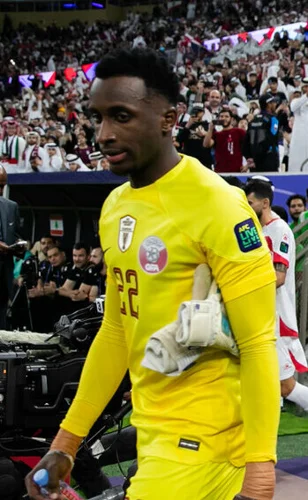
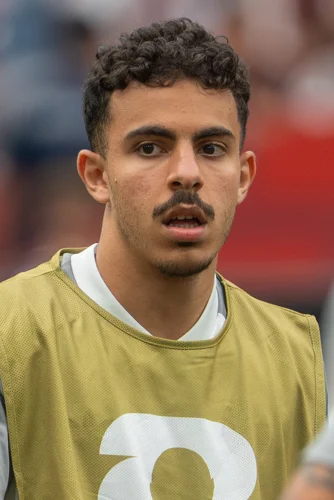
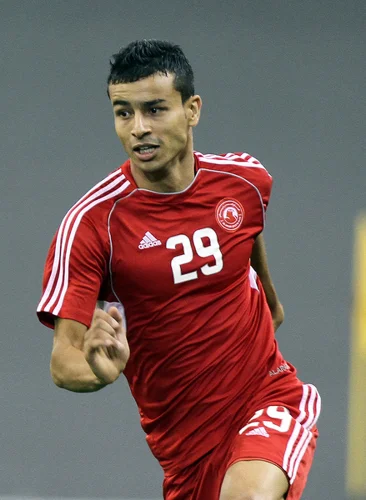
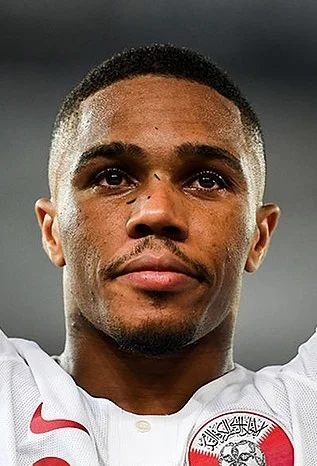
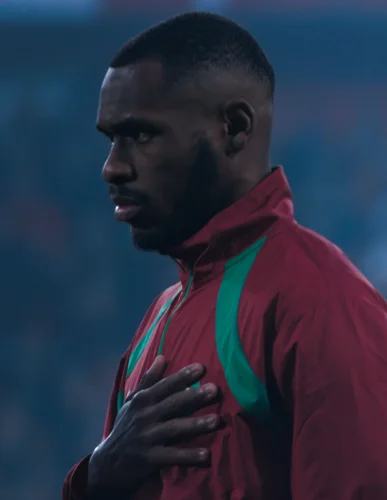
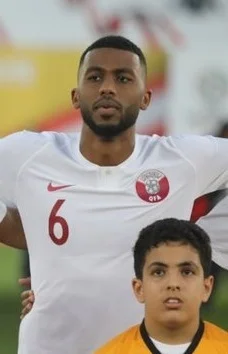
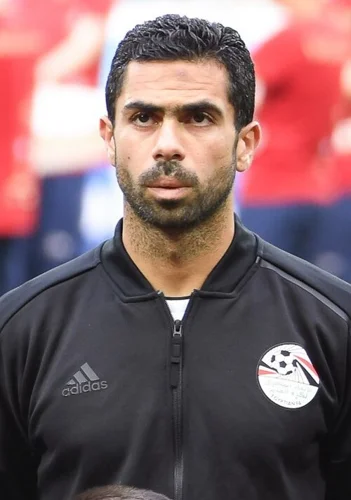
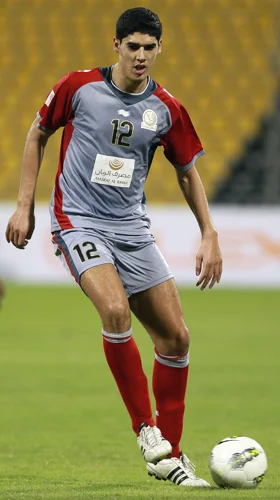

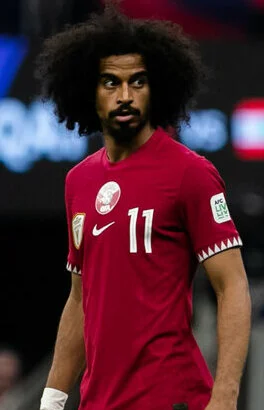

Qatar primarily use a 4-4-2 base that shifts into a back-three build-up and compact mid-block, with strong set-piece focus and game‑state driven adjustments in width and directness.