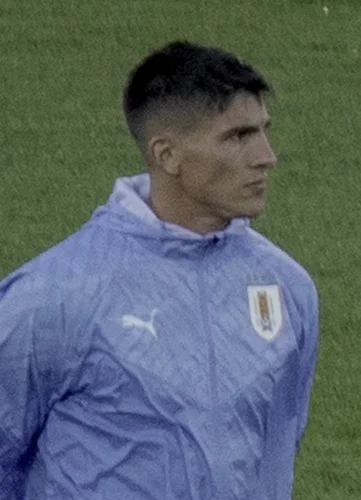
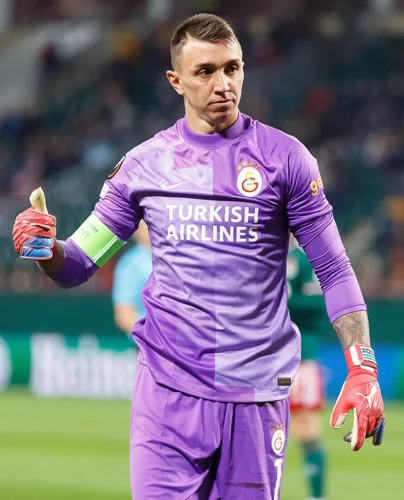
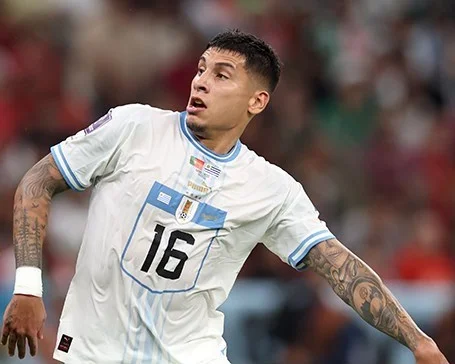
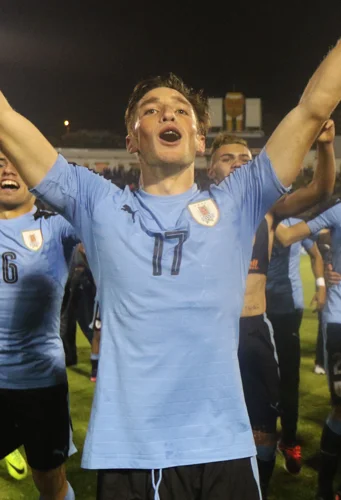
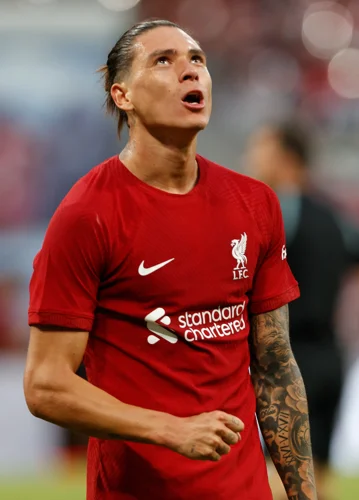
Uruguay
World Cup Pedigree
14 tournamentsScouting Report
Uruguay qualified directly for 2026 by finishing **4th in CONMEBOL qualifying**, and Fox Sports report they sealed it with a **3-0 home win over Peru**. Their World Cup group is **Spain, Saudi Arabia, and Cabo Verde** in Group J, which gives them a difficult but manageable path to the knockouts if they avoid losing the opener. The FIFA squad page and squad listings show a roster built around prime-age core talent, and the current group is deep in midfield and defensive leadership even if the attack still depends heavily on Núñez finishing volume. A realistic ceiling is the **quarter-finals**, with a semi-final run possible if Bielsa’s press generates turnovers against slower build-up teams, but advancing farther would likely require both elite finishing and a favorable knockout draw because Uruguay’s structure is more volatile than title-favorite stable.
Bielsa’s Uruguay press aggressively from the front, with the first trigger usually a backward or square pass in the opponent’s first line, followed by a coordinated jump from the nearest winger and eight-man field compression; the team’s pressing is designed to force rushed long balls rather than to sit in a medium block. In build-up, Uruguay commonly use a **2-3** or **3-2** rest structure behind the ball, with one full-back holding, one interior dropping, and Valverde/Bentancur/Ugarte rotating to create a progressive passing lane through midfield. In possession they are usually narrow enough to overload central zones, then release width late through overlapping full-backs or early diagonal switches; out of possession they can morph into a compact **4-4-2** look once the first press is bypassed. Set pieces are a real edge because of José María Giménez, Ronald Araújo, Mathías Olivera and the aerial power of Núñez, but the same aggressive full-back positioning can leave them open to counters if the second ball is lost. Game-state-wise, Uruguay are most dangerous when chasing or level, because Bielsa’s structure tends to increase shot volume and transition frequency, while protecting a lead can become less stable if the block has to defend deep for long stretches.
Under Marcelo Bielsa, Uruguay’s most common reference shape is **4-3-3** or a closely related 4-2-3-1/4-1-4-1, with a clear bias toward vertical attacks and wide progressions rather than long possession spells. The team is typically more **direct than sterile**: it uses fast forward passes into Darwin Núñez and wide runners such as Facundo Torres/Maximiliano Araújo, while midfielders Federico Valverde and Rodrigo Bentancur provide the two-way engine behind the ball. Possession is usually in the **mid-40s to low-50s % range** in tougher international matches, with Bielsa accepting territorial volatility in exchange for higher-ball-speed chances and counter-pressing pressure. The trade-off is obvious: Uruguay can look explosive in transition and set pieces, but their defensive block can be stretched by elite build-up sides if the first press is broken.
Federico Valverde is the midfield fulcrum: at **Real Madrid** he is listed in the squad as a midfielder and, entering the 2026 World Cup, remains one of Uruguay’s most established players with **71 caps**. His tactical role is to carry the ball through pressure, arrive late in the box, and cover huge transition distances as the right-sided engine in Bielsa’s midfield three. Ronald Araújo, a **Barcelona** defender with **27 caps and 1 goal**, gives Uruguay their best recovery pace and duel-winning ability in the back line, and he is also an important set-piece target. José María Giménez, the captain and an **Atlético Madrid** centre-back with **99 caps and 8 goals**, is the defensive organiser and primary aerial stopper on dead balls. Darwin Núñez is the vertical reference striker; ESPN lists him in the squad as a forward, and Uruguay’s attacking plan is built around his runs in behind, pressing from the front, and attacking the near post in crossing phases. Sergio Rochet is the starting-level goalkeeper option with **36 caps**, while Fernando Muslera brings extreme tournament experience with **137 caps** and remains the veteran backup/mentor profile.
Likely Formation
Inferred starting XI MeleMonterrey0G0A15apps
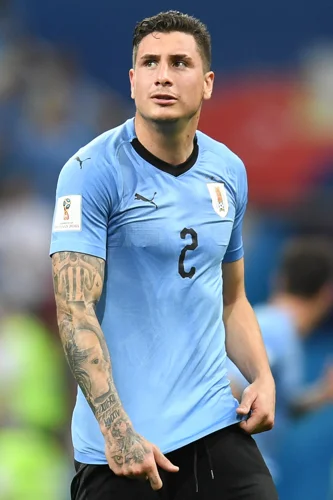 GiménezAtlético de Madrid0G1A16apps
 VarelaFlamengo0G3A14apps
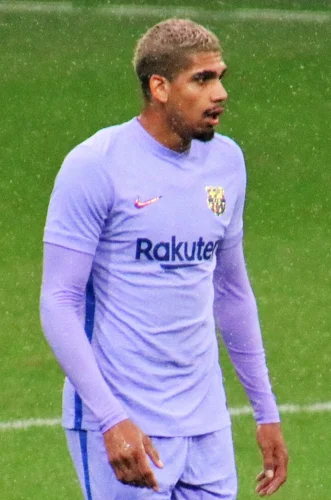 AraújoBarcelona3G0A24apps
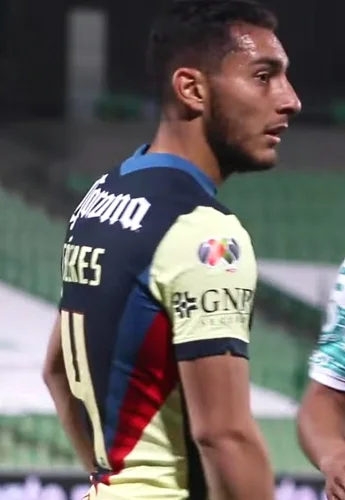 CáceresAmérica0G0A14apps
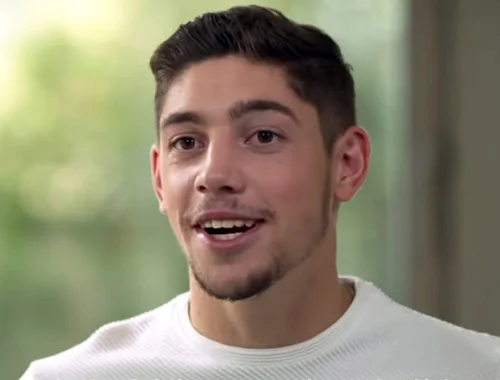 ValverdeReal Madrid5G8A33apps
 ZalazarSporting CP16G5A28apps
 SanabriaReal Salt Lake0G5A11apps
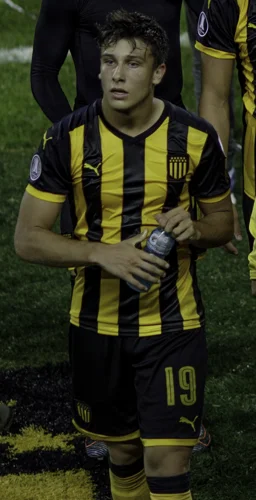 CanobbioFluminense4G1A11apps
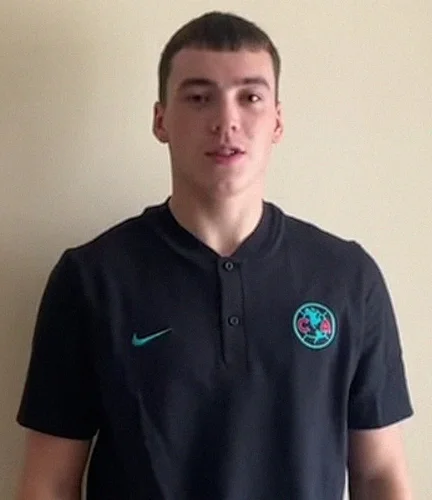 ViñasLeón6G1A12apps
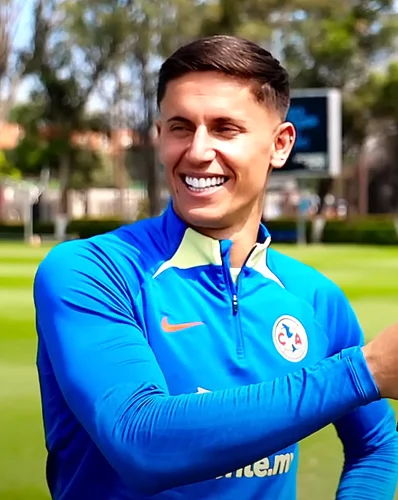 RodríguezLiga MX All-Stars2G3A14apps
Bielsa’s Uruguay are a high-pressing 4-3-3 side that often defends in a 5-3-2 and attacks with aggressive verticality, wide support, and strong transition play.